“Wuthering Heights” (2026)
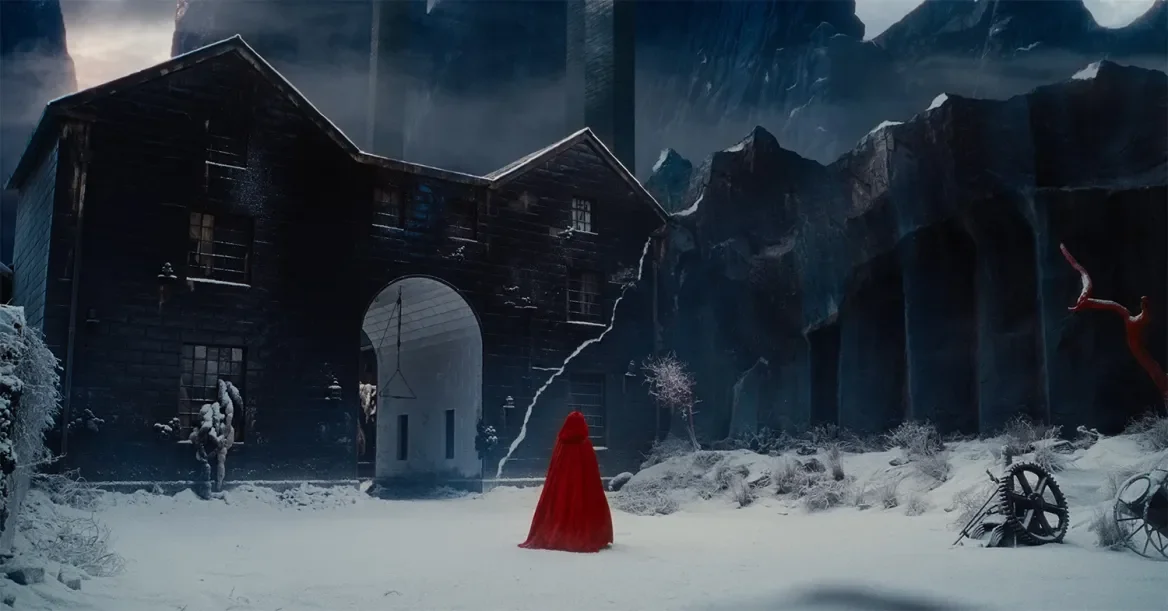
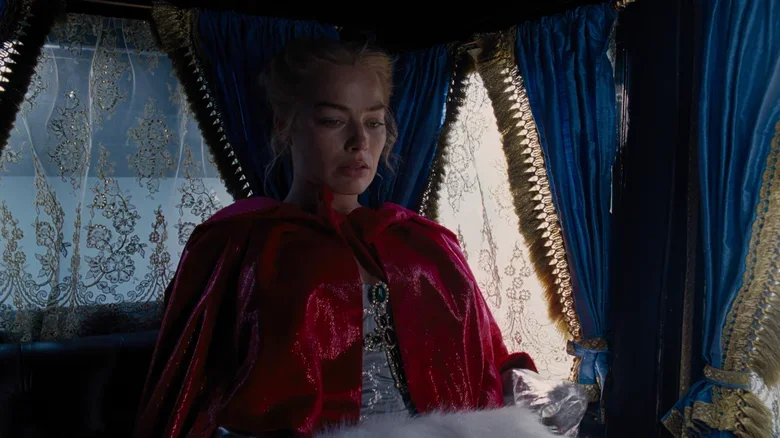
I love the book, and I really wanted to love this movie. And to be fair, there are moments of genuine beauty. The sets are stunning, and while the costumes aren’t historically accurate, they create a striking aesthetic that complements the story’s mood.
However, the film seems torn between desperately trying to distance itself from the original while clinging to it just tightly enough to remind you what you’re missing.This is most obvious in the dialogue, which drifts awkwardly between modern phrasing and period imitation. Even viewers unfamiliar with the novel will immediately notice when the script suddenly lifts lines directly from Brontë—they land with a clarity and power completely absent from the surrounding dialogue. The contrast is almost embarrassing.
Wuthering Heights the novel is famous for its use of pathetic fallacy, where the landscape mirrors the characters’ emotional states. Here, subtlety is nowhere to be found. If there is even the faintest hint of tension, the sky erupts. Rain, thunder, lightning. Again and again. And again. Any symbolism that might have emerged naturally is instead bludgeoned into the viewer. The film doesn’t trust you to notice meaning; it insists on screaming it at you.
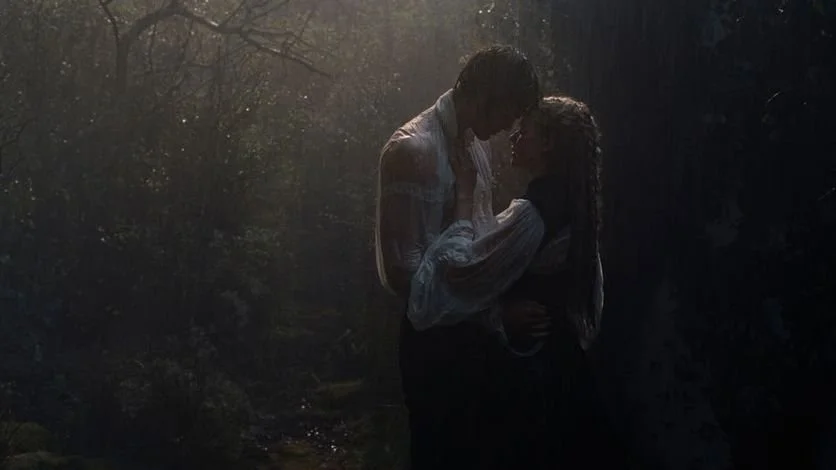
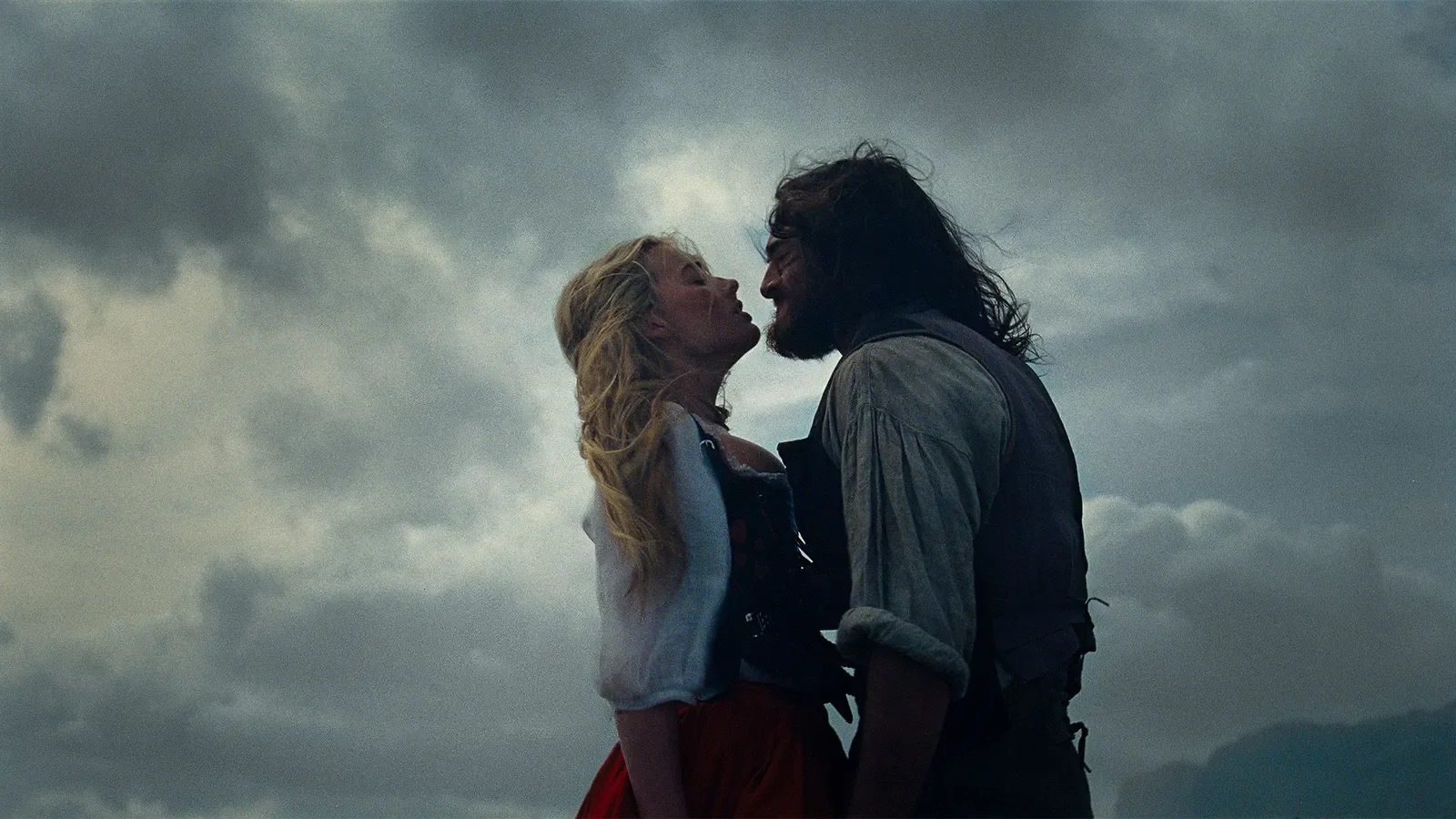
The narrative timeline is equally baffling. The film spends barely twelve minutes on Catherine and Heathcliff as children, completely failing to establish the bond that is supposed to define their lives. When we next see them, they are not impulsive young adults, but people in their mid-thirties, who have apparently spent a decade living together in emotional stasis. Catherine’s later “awakening” feels less like tragic inevitability and more like a delayed plot device. The intensity, urgency, and recklessness that define their relationship in the novel are replaced with something strangely muted and implausible.
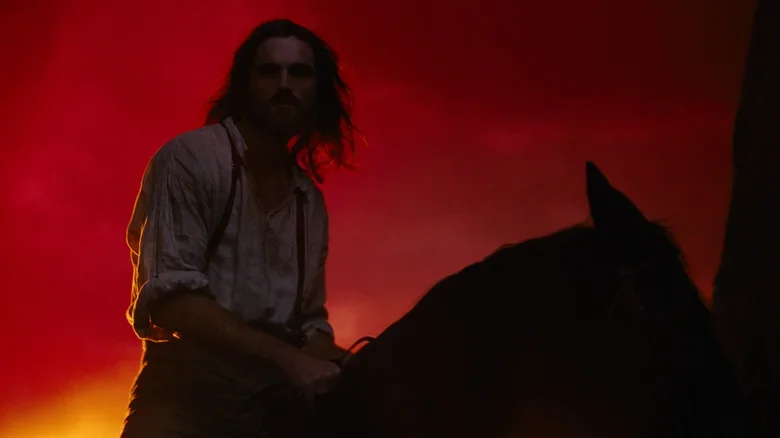
The characters themselves fare even worse. Heathcliff is repeatedly described as a dangerous, cruel man, yet the film never shows him doing anything particularly cruel. Instead, he is reshaped into a conventional romantic hero, stripped of the moral ambiguity that makes him one of literature’s most disturbing and fascinating figures. Catherine, meanwhile, loses all complexity and is reduced to a shallow, petulant caricature. What was once volatileand contradictory becomes simply irritating.
The music, by Charli XCX, is more effective; at least at first. Her songs incorporate elements of folk and atmosphere that evoke the moors while still delivering an undeniably catchy pop sensibility. But when the tracks are allowed to play at length over rapidly shifting scenes, the effect becomes disorienting rather than immersive. The editing moves too quickly for the viewer to appreciate either the costumes or the sets, and the film begins to resemble an extended music video. Instead of deepening the emotional experience, the music further fragments it.
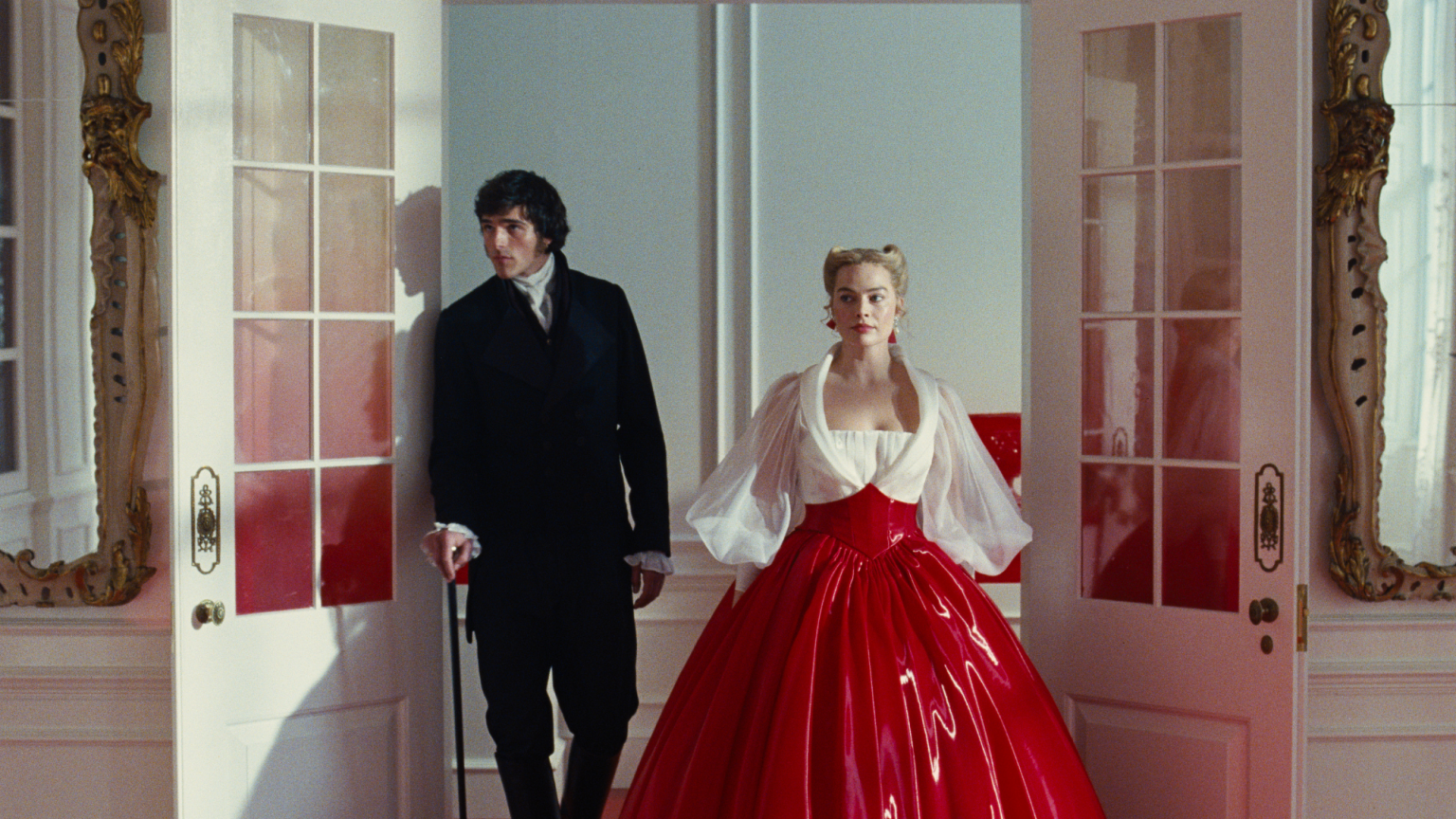
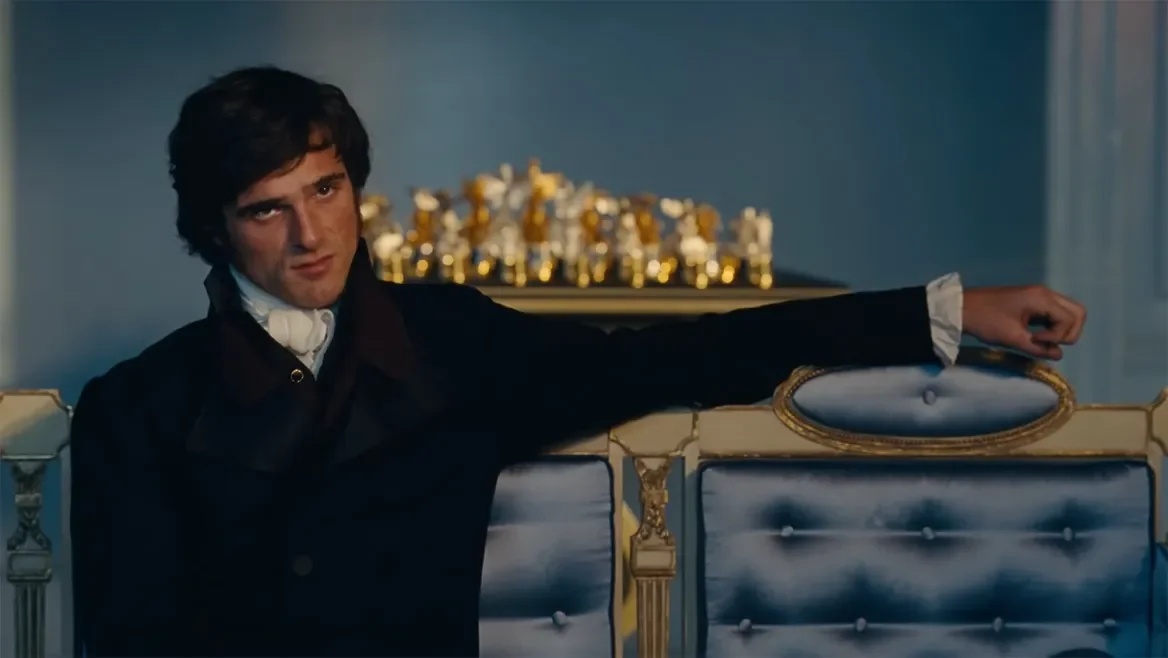
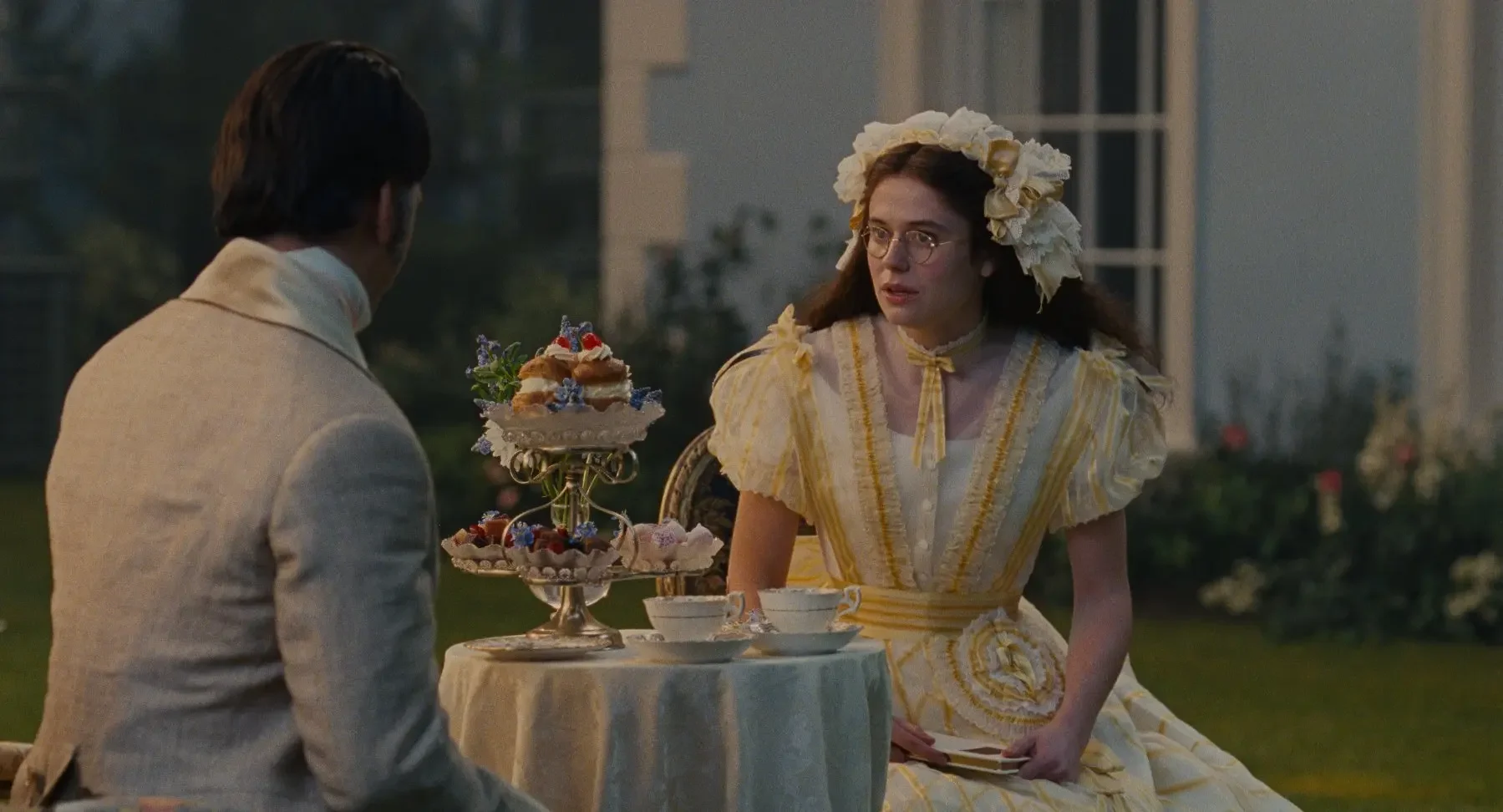
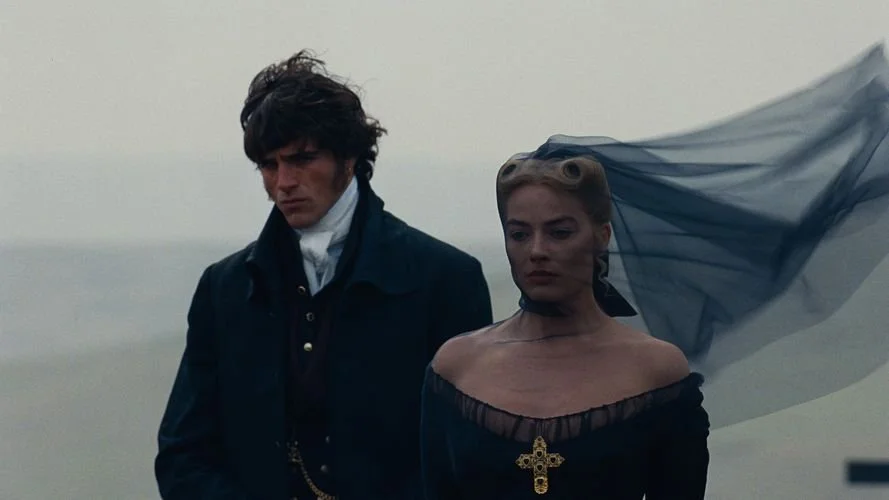
But the film’s most offensive misstep is its treatment of Isabella Linton. In the novel, Isabella is a deeply sympathetic figure who suffers abuse at Heathcliff’s hands and whose letters serve as a powerful testament to her experience. This adaptation, however, reframes that abuse as consensual BDSM roleplay, with Isabella herself complicit in constructing the illusion of victimhood. Her letters (some of the most harrowing in the novel) are reduced to something performative, written at Heathcliff’s instruction as part of their sexual dynamic. It is a genuinely disturbing reinterpretation, and not in a thoughtful or challenging way. It feels flippant. At a time when survivors of abuse still struggle to be believed, transforming her suffering into a kind of erotic fiction is not provocative; it’s careless.
Ultimately, the film is all surface and no soul. It is visually lavish but emotionally hollow, more interested in aesthetics than meaning. No amount of gold, glitter, or dramatic weather can compensate for a writing that fundamentally misunderstands the story it is trying to retell.