The Best Songs of 2025
ROSALÍA’ - Berghain

Many artists throughout history have combined the spiritual with the sensual—there’s Hozier’s “Take Me to Church,” PJ Harvey’s “The Dancer,” Leonard Cohen’s “Hallelujah” and its even hornier Jeff Buckley cover—but ROSALÍA’s “Berghain” (feat. Björk and Yves Tumor) takes this tradition to a whole new level. The song opens with a Baroque orchestra on speed accompanying a demonic German choral chant whose lyrics border on the biblical: “His love is my love / His blood is my blood.” ROSALÍA’s voice soars above the noise, in Spanish, furthering the European continental vibes while complicating the song’s ambience—maybe we’re at church, or maybe we’re at the opera. The Björk feature—“This is divine intervention”—manifests as a kind of interruptus, which is a likely way for divine intervention to manifest; it’s here that the song starts to sound more modern in its intervals and harmonies. And with the final intrusion of Yves Tumor chanting “I’ll fuck you ‘til you love me” with a harsh, girthy, overdrive-heavy timbre, we’re firmly situated in the twenty-first century, and God is dead.
The song is brilliant not just in how it blends the sacred and the profane but also in how its production and arrangement move listeners through time. Part of ROSALÍA’s genius stems from her ability to draw from a wide breadth of historical, cultural, linguistic, and musical traditions to create a specific atmosphere and feeling. In this case, the feeling is a lust so intense it transcends temporal linearity and becomes almost religious in its implications.
- Hannah Smart
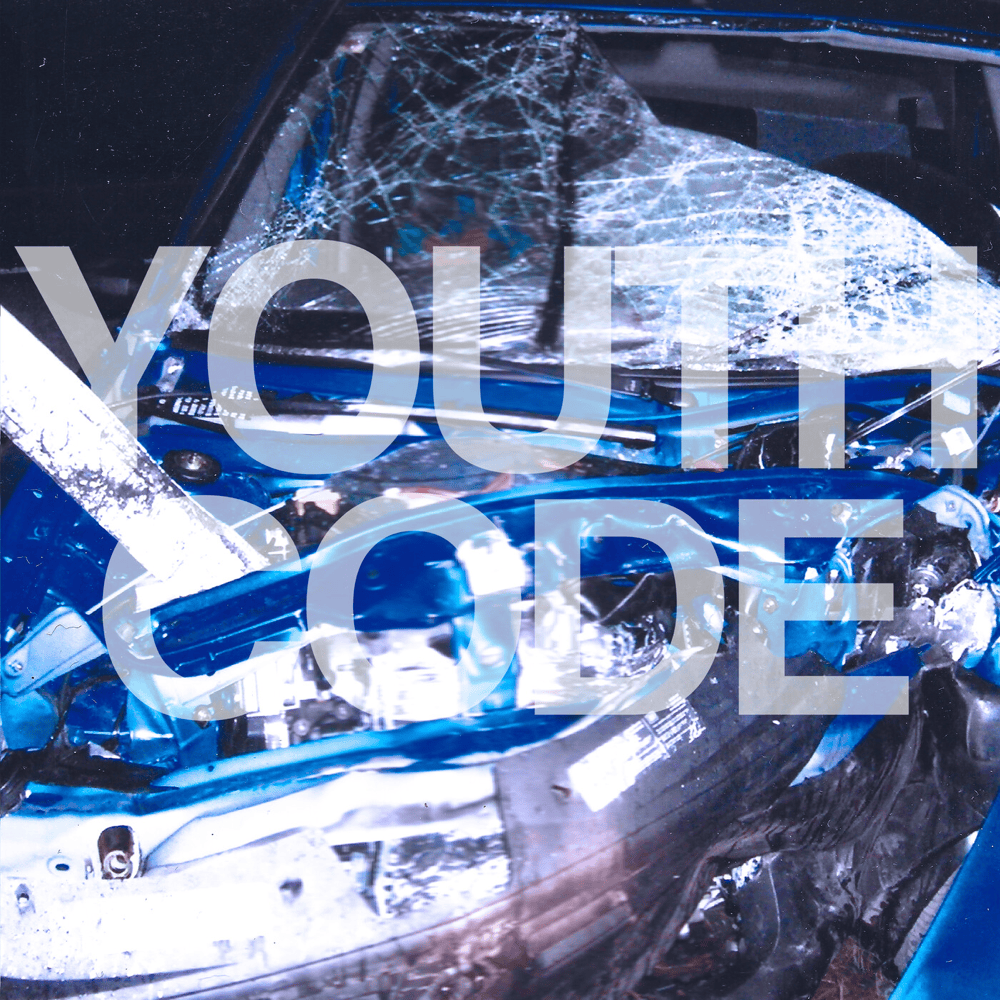
Youth Code - In Search of Tomorrow
God bless the industry. When they're not busy creating some of the most dance-friendly sonic brutality you can hear, Ryan George and Sara Taylor (partners at work, music, and life) spend their days and nights together bartending in Los Angeles. As a lifelong service industry scrub and longtime loud music enthusiast, there are few groups which speak more directly to me: true blue-collar hardcore, living days and nights alike at 130 MPH and only ever easing off the accelerator to wonder if it's worth it or for how much longer they can keep it up before the pit of existential despair swallows them. In their brief-and-more-brutal-than-ever new EP Yours, with Malice - their first solo release since their 2016 masterpiece Commitment to Complications - the two explore their well-defined sound (George's aggressive and assaultive synth work blowing your head apart at high BPM, with Taylor's tortured sing-song screaming hitting you between the eyes) more aggressively than ever. Picking a favorite feels arbitrary, but "In Search of Tomorrow" hits more directly to the heart of why I love Youth Code more than almost any heavy act on the planet. In a blistering 2:33, Taylor screams about life's false promises and empty hopes ("Nights up chasing empty dreams/ A promise paved in gold is never what it seems") and despairing that she may soon crash ("How can we focus/ If we never come down?") while George displays the full range of his talents in exploring loud-soft-loud industrial dynamics that make you wanna fight, fuck and dance all at the same time.”
- Alex Watkins
Danny Brown ft. underscores - Copycat
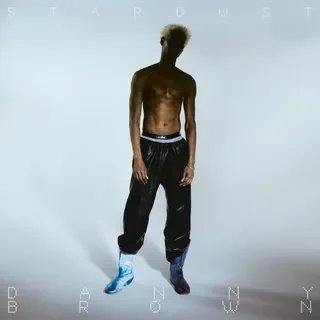
The greatest rapper alive is back. Take the claim or leave it, but it can't be denied that there's nobody working right now like Danny Brown, hip-hop's inheritor to the chameleonic diversity, irreverent charm and pop-cultural goofiness of Kool Keith and MF DOOM. After hitting personal lows and creative heights on 2016's Atrocity Exhibition - maybe the best album of that decade - he scaled back the intensity of sound and feeling on 2019's uknowhatimsayin¿ and 2023's Quaranta - the flip side of his 2011 breakout XXX - an album-long confession in which it's clear that sobriety alone was never going to save him. Having reckoned with all that, he cranks the volume back up on Stardust, proving definitively that nobody has ever been able to ride any beat, any vibe, any style quite like Danny.
The album's highlights are many but none better captures his appeal than "Copycat". It speaks to the sky-high heights of his ambitions sonically and lyrically ("Rap star, pop star, rock star/ Gimmethat, gimmethat") with Danny squawking in his characteristic high-pitched chirp at effortless-yet-breakneck pace over an aggro-hyperpop beat interrupted by a sultry and heavily autotuned hook, telling us all that the world is once again his for the taking and he plans to take it. Danny does great work at all registers, but it's when he's going for it like this that he most shines. To paraphrase Ebert on Scarface: "Over the top is where Danny Brown lives." Or the man himself: "Dance with the stars, I'ma walk on the moon/ Got my head in the clouds, I ain't comin' back soon." Amen.
- Alex Watkins
Geese - Getting Killed
The recent media frenzy surrounding Geese almost always seems to push Cameron Winter as the sole genius of the group, the zoomer savior to rock, the new Bob Dylan, etc. But, truly, what makes Geese so exciting is that they’re a real ass band in a world where so many groups feel interchangeable. Their soundscapes are often so alive with the individual voices of every member in tandem that separating any of them from the whole feels impossible.
Nowhere is that clearer than “Getting Killed”, the title track to their newest record, an explosive and sweeping ode to the meaninglessness of middle class melancholy. Of course Cameron’s frenzied poetry and desperate wailing give way to a flurry of lyrical highlights (“Morning walked me out of here with no shoes/ And one foot doesn't want to stay alive”), but all the textures surrounding him really make it pop. A wild Ukranian choir sample chopped and screwed by producer Kenny Beats, Dominic DiGesu’s bass pounding through it, the break when Cameron comes in and Emily Green’s guitar dances around him, Max Bassin’s furious drumming that eventually upends into a relaxed, propulsive rhythm. It’s a controlled wildfire of contemporary malaise, keeping inertia in a way nearly no song this year does, sharply pulling in and out of focus as the feeling washes over you like a tsunami.
The feeling of 2025 to me will always be right here in this frenzy, surrounded by the madness and noise of everybody in the entire world all at once, suffocating under the weight of living a completely unremarkable life. As someone who’s recently decided to abandon my comfortable suburban existence to chase some distant dreams, maybe in suffering along the way, few songs this year spoke to me more. I’m getting out of this gumball machine.
- Adam Sullivan

Ninajirachi - iPod touch
Hyperpop as a sound is not currently known for its chart success. With the exception of BRAT in 2024, which is a far more pensive record than the cloud of coke surrounding it would have suggested, it has not really been found in the top 40 since getting its foot in the door. Hyperpop to me is the sound that best speaks to the current moment - it is undeniably pop but there is such a disregard in it for the future state of your inner ear, almost as if it doesn’t expect you or anyone to have to worry about that in however much time we have left. Maybe my reading of what it represents is too bleak. Hedonism has an upper threshold and for most of us it is neither sustainable or affordable. Maybe it's just that you can only sit in the hum and feedback for so long before you crave melody. Ninajirachi’s “iPod Touch” was, unfortunately, not a hit. Equal parts J-Pop sweetness and Von Dutch abrasiveness, “iPod Touch” is unjaded, adolescent. I cannot tell you confidently whether or not it is hyperpop, only that it hits me like it is. It is nothing but the sound, divorced from the scene. By my estimate it should have found a place within the radio static of 2025 as it slots nearly within a growing trend of 2010s nostalgia, although it is too early to tell how sincere that may be. A love song to a song we don't get to know, it seems to tell the story of how they met. Disconnected images, fuzzy memories of the phone case she had when she was 12 - what she was wearing on the bus when they first came in across each other. It makes me wonder if this is all I would want to remember from my own tweens. Hazy vignettes I hold onto for their aesthetic value and nothing else, the ghost touch of objects I no longer know, filtered through the sonic now. iPod Touch - if only for a moment - makes me think I don’t need anything more than that.
-Hannah Tyler
Hether - Shadow World
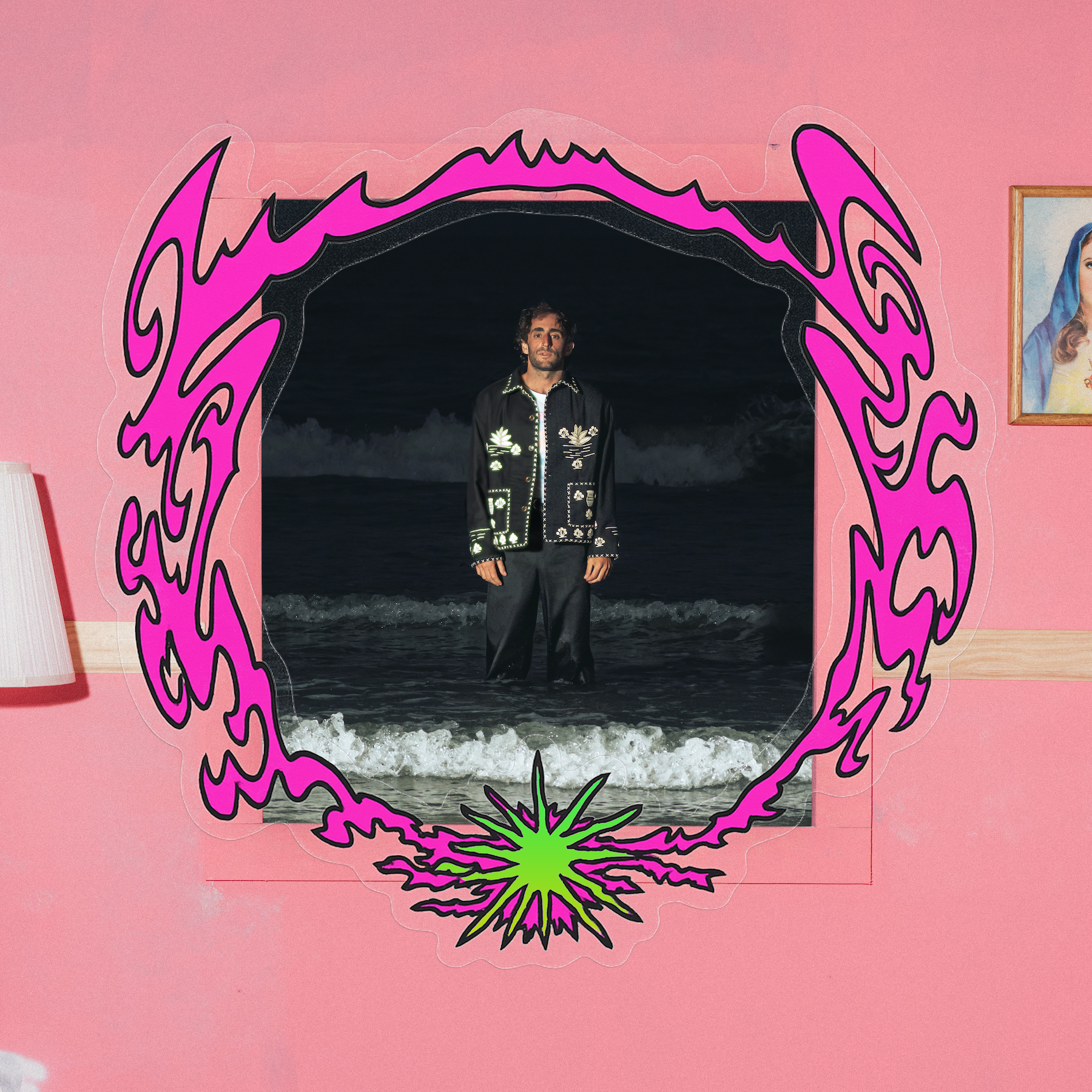
I wrote about Hether before, in this very magazine, as the artist behind one of (we weren’t the cultural institution we are now of course, numbers had to be juiced) my favourite songs of 2023, Photograph, from his sophomore album Play It Pretty. I wrote about how Hether drones through easy allegories and tried-and-true lines before cracking them over his knee and discarding them. Plastic people… black skies… the classics are all there. All this before a lush, transcendent and deeply sincere chorus declaring how at the end of the day, once you cut through all the poetry and melancholia… he just damn well loves ya, baby. This pattern, of breaking through gloomy walls of his own construction to get at more fundamental and romantic truths about what he really wants to be saying, is Hether’s songwriting through and through. His latest project, Holy Water, explores this further. And by ‘explore’ , I of course mean that his trusty method of exploring romantic discovery and revelation by erecting prisons of trite similes for the sole purpose of being busted out of is taken to something of a logical endpoint with “Shadow World”, my favourite song of 2025. “Am I just a shadow now? Tricky to see in the night time? She’s stained with a love for evil… don’t wanna waste your time… How long… how long… do you want to do it like this?” There is no vast stone labyrinth of symbolism to charge through here. Instead, Hether simply, finally asks his romantic subject, us, and himself- for how much longer are we gonna play this game? For how much longer are we gonna pretend we don’t know what he’s thinking and what he’s gonna do? We are living in a world sliding faster and faster into all-out facism, we are living in a world where we own next to nothing and near-enough-everything is owed and we are living in a world where distrust and hatred course through the veins of our highest institutions. Yet, when it comes to expressions of love and passion, to the truest and most meaningful feelings we hold close to keep the winter sun in the sky a little longer for us? Well, how much longer do you want to hide it? How many more cool and somber ways of articulating that do you want? How long do you want to do it like this? An artist whose artistic journey thus far has seemed to be that of a man realising he’s a lot more romantic than he ever gave himself credit for, “Shadow World” seems a watershed moment where the magician has finally acknowledged the fishing lines and trap doors of his stage.
There are many songs from Holy Water that I adore and considered championing above all others, from the meet-cute crooning of “Double Vision” or the haunted grief of “Stranger”. However, more than anything, I believe Holy Water is an album about Hether beginning to get a little sick of being two guys at once quite so often. So, I suppose, I find “Shadow World” the most affecting and meaningful of the bunch as a song about a man- despite the melancholy that is for sure played out, but unfortunately not untrue- in the process of making the brighter, warmer and braver choice between the two. “A suicide bomb, a kamikaze, black hole loving, you’re a myth to me… she was outside with the red dress on… yeah, we’re living in a shadow world.
- Louis Nokes
Justin Beiber - BUTTERFLIES
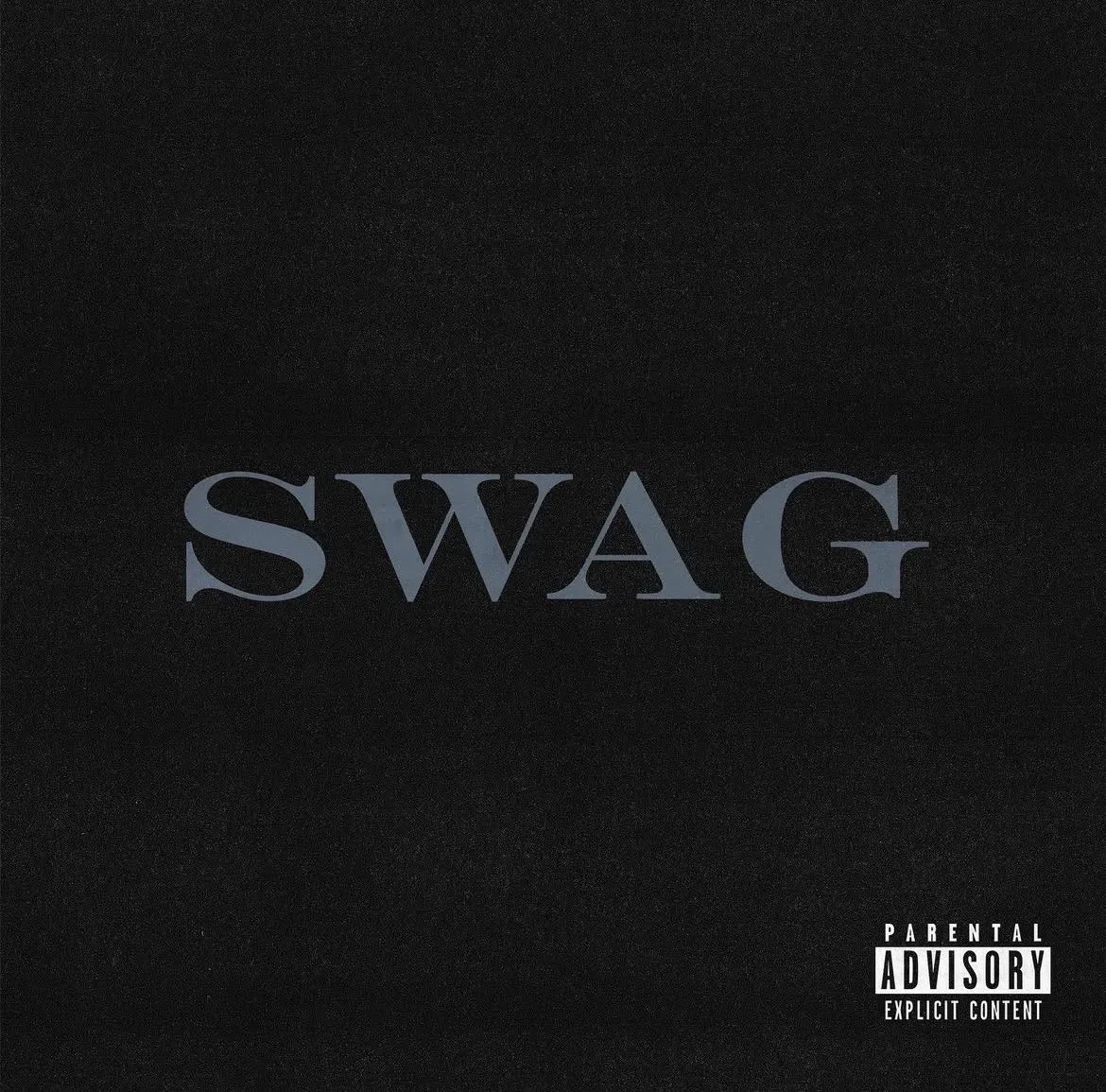
Justin Bieber is going through something. Whether a religious awakening, a manic episode, or the natural end-result of years in the sweaty spotlight, it remains to be seen—though posting on grid hundreds of times within the span of an afternoon is the clearest sign of a manic episode I’ve ever seen. But sometimes you have to crash out to lock in, and the artistic manifestation of Bieber’s mild crack-up is the most cohesive album of his career. A tender-hearted catharsis, SWAG is a youth pastor-led Vacation Bible School campfire singalong in the guise of what may have been described as “PBR&B” in another lifetime. More than the regularly-cited influence of MK.Gee and collaborator Dijon, SWAG reminds me of How To Dress Well, an aching paean to sincerity, a startlingly intimate and stripped-down affair from a marquee pop star.
More than any 80s-aping reference points, SWAG is in my mind best paired with the likes of Yung Lean’s Jonatan, Earl Sweatshirt’s Live Laugh Love, and Lorde’s Virgin: records by former child stars asserting their personal autonomy, as their developing sense of self as now-adults causes inevitable conflict with the lifelong commodification of their images. At every turn, Bieber attempts to escape the burden of his voice, deliberately sabotaging his allegedly God-given talent, by way of pitch-shifting, AutoTune, and often mumbled and muffled lyrical deliveries. Amid all its other idiosyncrasies—tinny drum machine beats, murky basslines that sound like they were recorded underwater, lo-fi production that fits with Bieber’s posting of Durutti Column songs, a series of skits in which Druski attempts to bully Bieber into smoking Black and Milds—is a surprise feature from Lil B, recalling Timothee Chalamet’s repeated affection for The Based God. Maybe SWAG is Bieber’s Marty Supreme—certainly many of Chalamet’s charged-up promotional tactics were reminiscent of Bieber’s summertime antics (Note: I have not seen Marty Supreme).
“BUTTERFLIES” opens with a sample of the now-infamous clip in which Bieber clocked in to the standing on business factory—the pop star might resent his image, but he remains hyperaware of it—before an acoustic jam session slowly builds into a full-band confessional. Even then, with all its layers, “BUTTERFLIES” eludes any kind of euphoric release: it continues to grow and swell, leaving us to simmer in pure aura, reaching toward the light without ever grasping it, cannilying denying what we’ve all come for, like a butterfly that vanishes before you can even hold it in your hand.
- Nadine Smith
Dijon- Yamaha
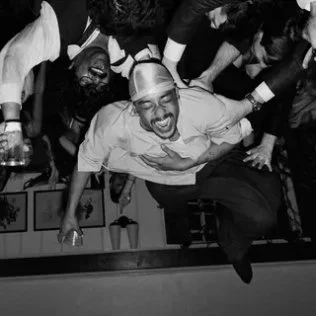
One thing I’ve noticed as I’ve gotten older is an attraction to melody and sentimentality in music, which is weird because I always considered myself a hard edged rap guy who was brought in by the edges of Ol Dirty Bastard, Playboi Carti and early Eminem, or the drawn out narratives from the likes of Ghostface Killah, Common, Nas and Kendrick Lamar. This is stuff I still adore and listen to, it is the foundation of who I am.
But more often than not these days, I just wanna hear a good love song. With a raw voice and complimentary instruments. Something about heartbreak or nostalgia or whatever it may be; I chase the feeling of a good melody, chord or guitar lick over anything. I see this as an expansion to my roots in hip hop- not against it, even if they seem opposed on a surface level. Dijon’s Baby sits in a very nice space between those two things that felt so distant in my taste, the boundary pusher and the traditionalist as he delivers R&B tracks that feel equally as laboured and as they are off the cuff in its beautiful chaos. It’s J Dilla and Prince slammed together, the middle point of the Beastie Boys and Anita Baker. It’s like when I cook spaghetti sauce and I add every bit of seasoning I like with no reason or regard and yet it turns out great. Dijon is obviously a better and more intentional artist than me as a cook but every song bursts with ideas that feel like they’d break the track but they don’t.
No song captures this better than the album’s fifth track, “Yamaha”, refusing to be interpreted as anything but a love song even in its weirdest diversions on pop/soul music. Dijon has the perfect singing voice in my eyes; he can clearly hold a note excellently but he’ll never warp it into perfection and away from emotion. So when he’s saying lines like: “Big loving, that’s my heart”, you don’t doubt his words even if that’s the weirdest way to say you have a heart full of love, it’s not concerned with sounding beautiful but honest. Where “Yamaha” crescendos (and also creates my favourite musical moment of 2025) is in the bridge after the second hook, where the vocal samples and Dijon’s voice are warped together over the quiet hum of the track’s synth until it explodes into a final hook which brings in huge boom-bap drums over the dazzling synth work. It is here where “Yamaha” meets my heart; the asynchronous meets the sincere, the traditionalist meets the boundary pusher, reminding us to keep our wits about us as we enter more traditional structures of responsibility. Baby as a whole album- but “Yamaha” specifically- captures where I am, at least in its sonics; weirdness trying to fit into familiar forms. Although it can be scary, if you work hard enough, you can find the beauty within the muck.
- Ellis Lamai
Elias Rønnenfelt - The Orchids
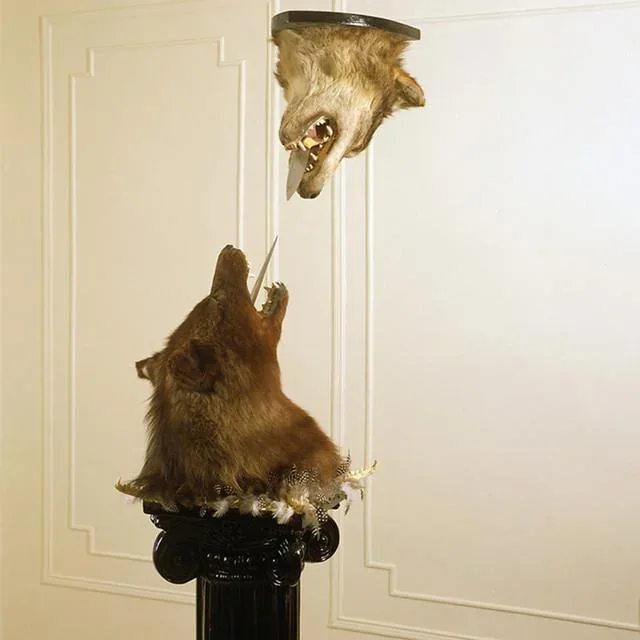
When it comes to musical truisms, along with the maxim “never meet your heroes” is my own saying that goes something like: “never check out your musical heroes’ side projects produced in another medium”. Okay, maybe not never, (there’s a couple of David Lynch paintings that haunt my dreams, and Atlanta is a better show than anything Donald Glover ever spun into song), but I’ve been appalled by enough Kid Cudi animated films for one lifetime. Hence my disappointment upon opening a Christmas gift to myself: the poems of Danish rocker Elias Rønnenfelt set down in a bound book titled Sunken Heights. Imagine my dismay when, to my mind the words of one of the best musicians and lyricists of his generation, appeared limp and lifeless on the page (perhaps I’m a stickler- the poems are probably stronger in his native language).
Regardless, it’s been four years since Iceage, the baroque punk band that Rønnenfelt fronts, has released an album, but in that time he’s released two strong solo records and a slew of interesting singles that experiment with electronic production and hand-picked Euro-collobarators. His latest, “The Orchids”, is a cover of post-punk legends Psychic TV’s 1983 ballad, but Rønnenfelt eschews that versions woodwind-backed instrumentation and closely-recorded clean plucks for a more processed, woozy sound; it’s a little opiated, a little Yung Lean; the notes linger and plume even as the lyrics are their usual plaintive and striking selves (“and in the morning after the night, I fall in love with the light”). Included here, though is a short spoken-word monologue that acts as an epilogue:
“And at some point, I was leaning against the glass of the car and I had my eyes closed, and it must have been a sunny day, and before I closed my eyes I was looking at this hedge going by, and you know when you’re really close to something it starts to blur. So it was blurring and I was thinking that’s really, really interesting how you can't focus on it. When you get close enough and you're moving, you know, what does that mean? Because it's not moving, I'm moving, and I'm just kind of daydreaming these stupid thoughts. And then all of a sudden- poof. I start hearing voices.” Imagine that: words suspended in movement, swirling into the air, coming to life even as they disappear.
- Louis Norton
Blood Orange feat. Mabe Fratti, Mustafa - I Can Go
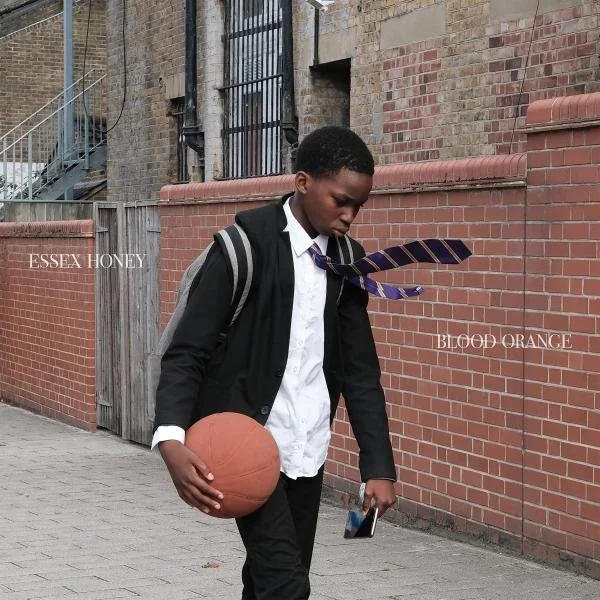
If you’ve ever walked home from a night out crying to Blood Orange’s “Time Will Tell”, you’ll know that Dev Hynes is the kind of storyteller obsessed with time, memory and history, and how those things affect our identities. Essex Honey, Dev Hynes’ first album under the Blood Orange moniker in six years, is an opulently instrumented classy album largely about the death of Hynes’ mother in 2023. Hynes recent work as a composer for film shines through here; the album is full of tasteful instrumentation, delicately selected flourishes of violins and cellos, woodwind and electronic touches recall the handmade energy of Caroline Polachek’s Desire, I Want To Turn Into You (who contributes to the album along with heavyweights such as Lorde, Zadie Smith and Turnstile’s Brendan Yates). Throughout the album he touches on the places and landmarks- whether it’s Kings Cross Station or his hometown of Essex- that shaped his childhood and anchor him to his mother. The exquisite and all-too-brief closer “I Can Go” paints this grief as a kind of double edged sword, a device that can transport us in time, whenever we want, to vivid, all-to-real places in our pasts, even as it makes navigating the future more painful. “I can go”, he sings sweetly over fluttering piano and Mabe Fratti’s strings. “Nights that flow/ into that house/ I can go”. One gets the feeling he never really left.
- Louis Norton