Backrooms (2026) Review
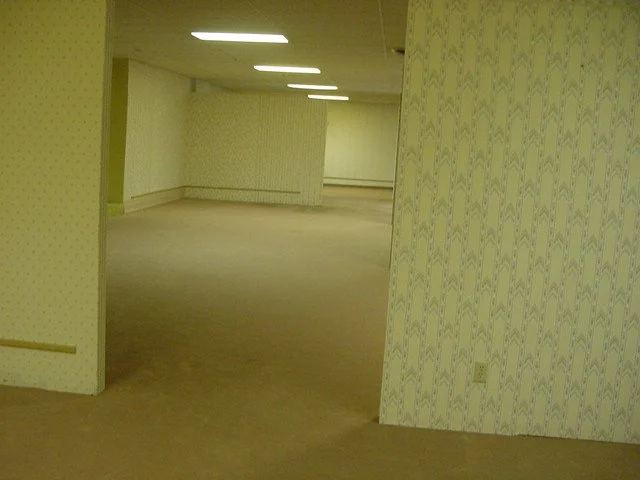
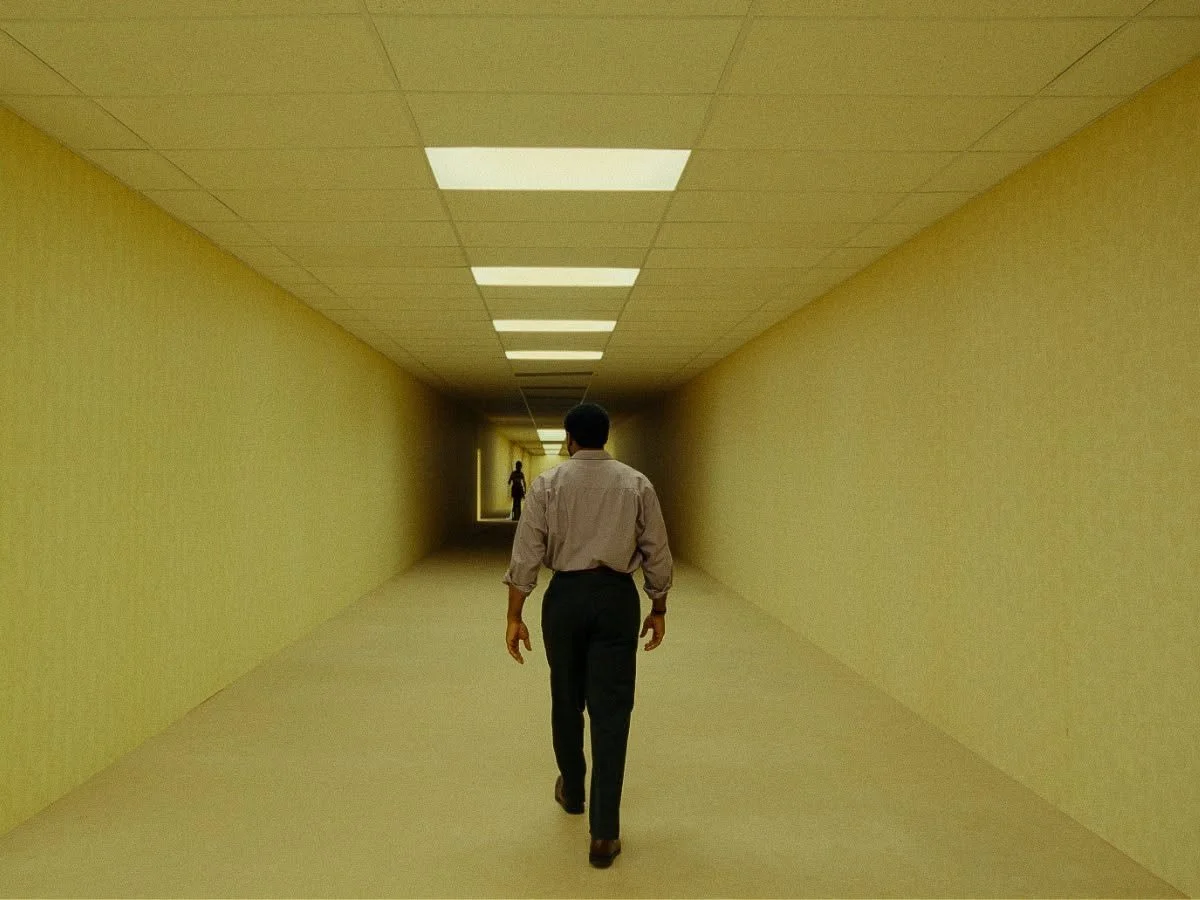
The concept of liminal spaces has fascinated me since first encountering the horror phenomenon of “backrooms” on social media back in 2019. The idea of the backrooms can be traced back to a photograph taken in 2002, from a furniture store in Wisconsin undergoing renovation. Here, we can trace the now-famous empty office space, with its fluorescent lights and yellowed papered walls, a commercial carpet covering the floor, and no windows. A space that feels simultaneously confining and impossibly expansive.
The image inspired countless variations and quickly spread across social media platforms, becoming a cornerstone of internet horror culture. Part of its enduring appeal lies in its visual effectiveness. Even stripped of narrative context, the image is unsettling. It is familiar yet unfamiliar, mundane yet deeply alien. You cannot quite look away. The Backrooms, then, seem perfectly suited to the kind of horror that thrives online: short, intense, and highly visual. What interested me most about Kane Parsons' film adaptation was whether the concept could sustain a feature-length runtime without losing its power through overexposure.
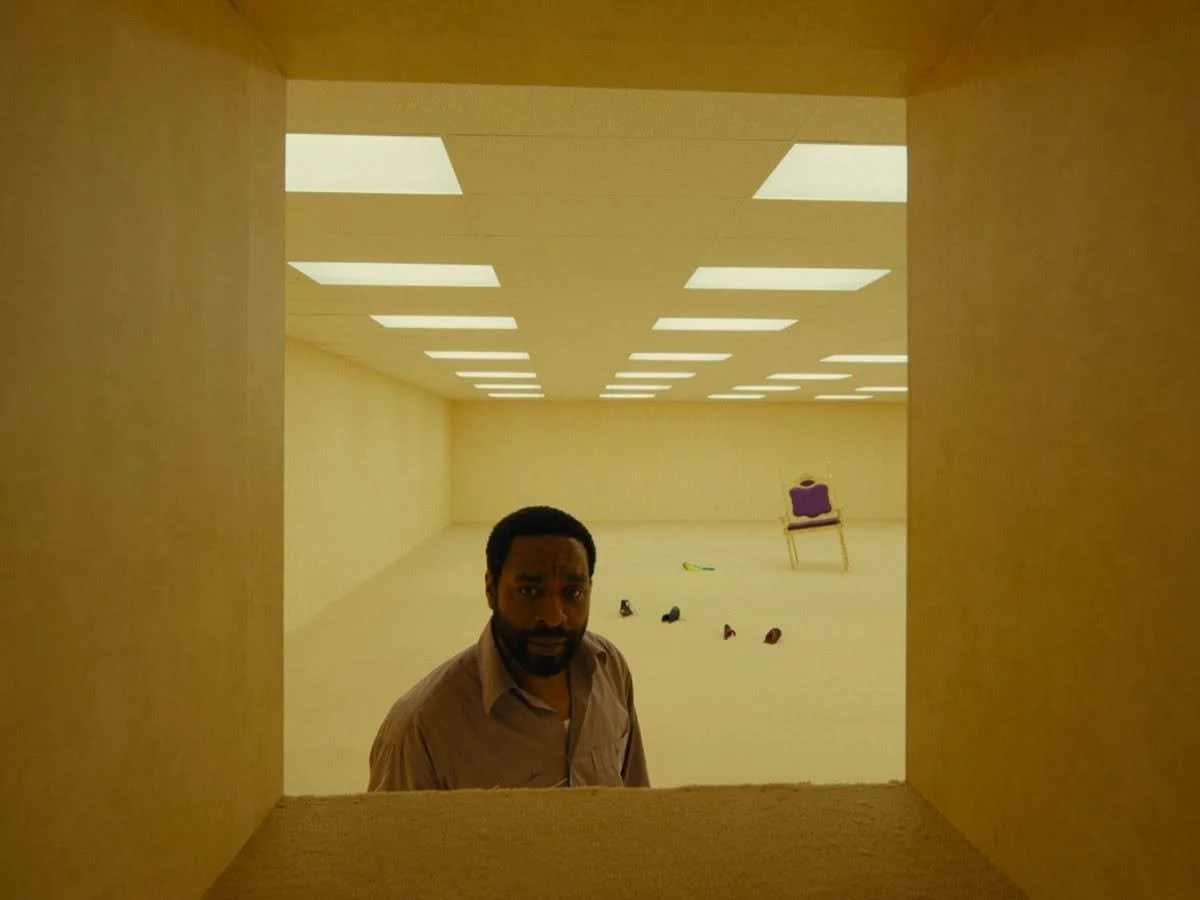
The cinematography in Backrooms is remarkable. Rather than relying heavily on digital spectacle, Parsons builds his horror through extensive practical sets, a choice evident in the film's exploration of endless hallways and skewed rooms. The environments feel tangible. The repeated use of straight lines and geometric angles creates frames within frames, adding visual depth while lending the film an almost hypnotic quality. The immersive visual experience is reinforced by an equally effective soundscape. Instead of the dramatic crescendos and abrupt tonal shifts associated with conventional horror scores, Backrooms adopts a distinctly liminal auditory approach. The music remains restrained and steady, resisting the orchestral buildups that typically signal impending scares. More unsettling still is the constant hum of fluorescent lighting that lingers beneath the score. It is loud enough to remain present but never quite dominant. Rather than drawing attention to itself, it occupies the periphery of the viewer's awareness, creating a sense of unease that mirrors the visual design of the spaces themselves. The result is a film that constructs liminality not only through image, but through sound. My initial concern was whether prolonged exposure to the Backrooms would eventually desensitise the audience. Parsons addresses this challenge in an interesting way. Online backrooms videos often maintain engagement by moving through different "levels." A succession of environments ranging from office spaces and concrete corridors to abandoned playrooms and swimming pools. The film includes occasional departures from the familiar yellow halls, most notably the swimming pool sequence and, to a lesser extent, the Christmas tree room. For the most part, however, it remains committed to the aesthetic of the original image. What keeps the experience engaging is Parsons' alternation between contemporary cinematic photography and footage captured on an old handheld camcorder. Whenever the audience begins to acclimatise to the environment, the perspective shifts. This technique not only evokes the nostalgia embedded in the backrooms mythos but actively destabilises the viewing experience. Just as the spaces begin to feel familiar, the handheld footage renders them strange again. The uncanniness of the Backrooms lies not only in the concept itself but in Parsons' representation of it. The effect is deeply unsettling.
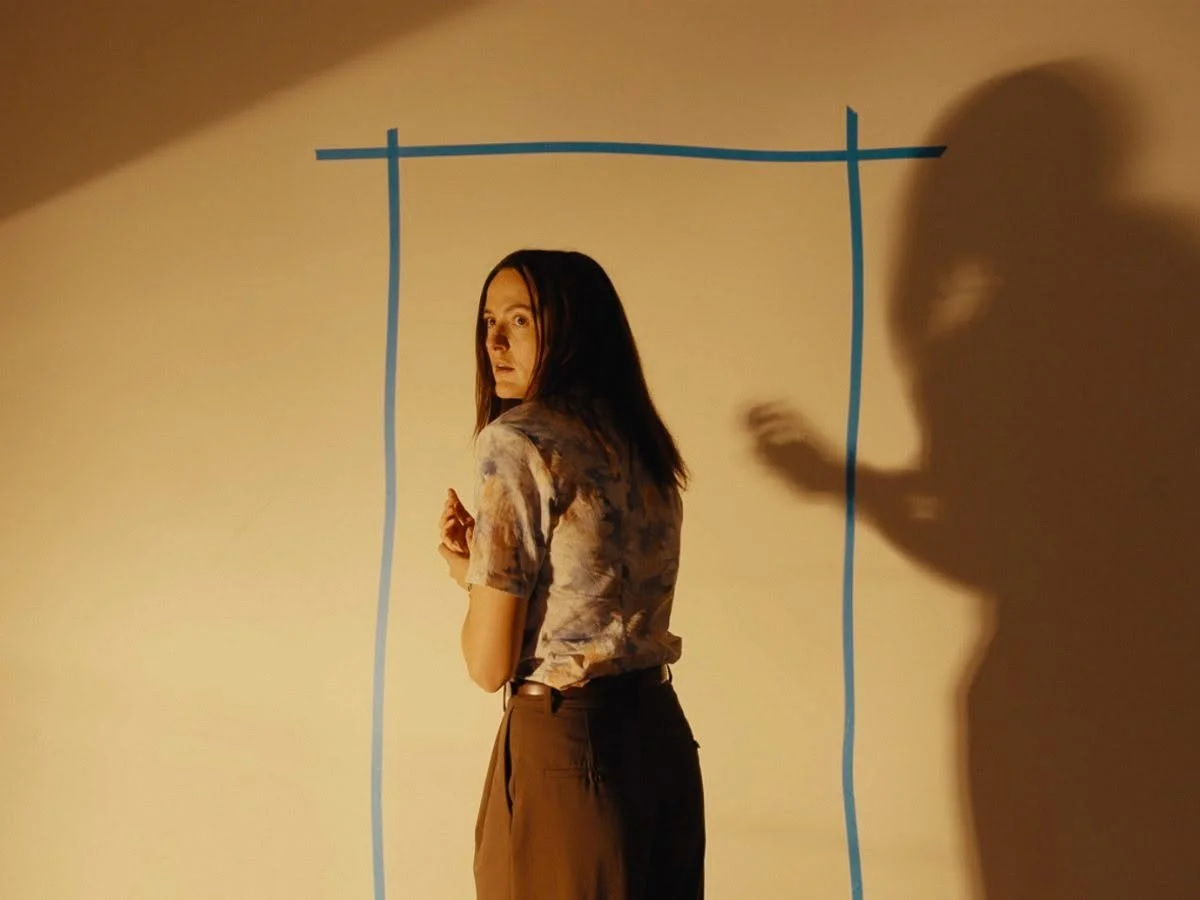
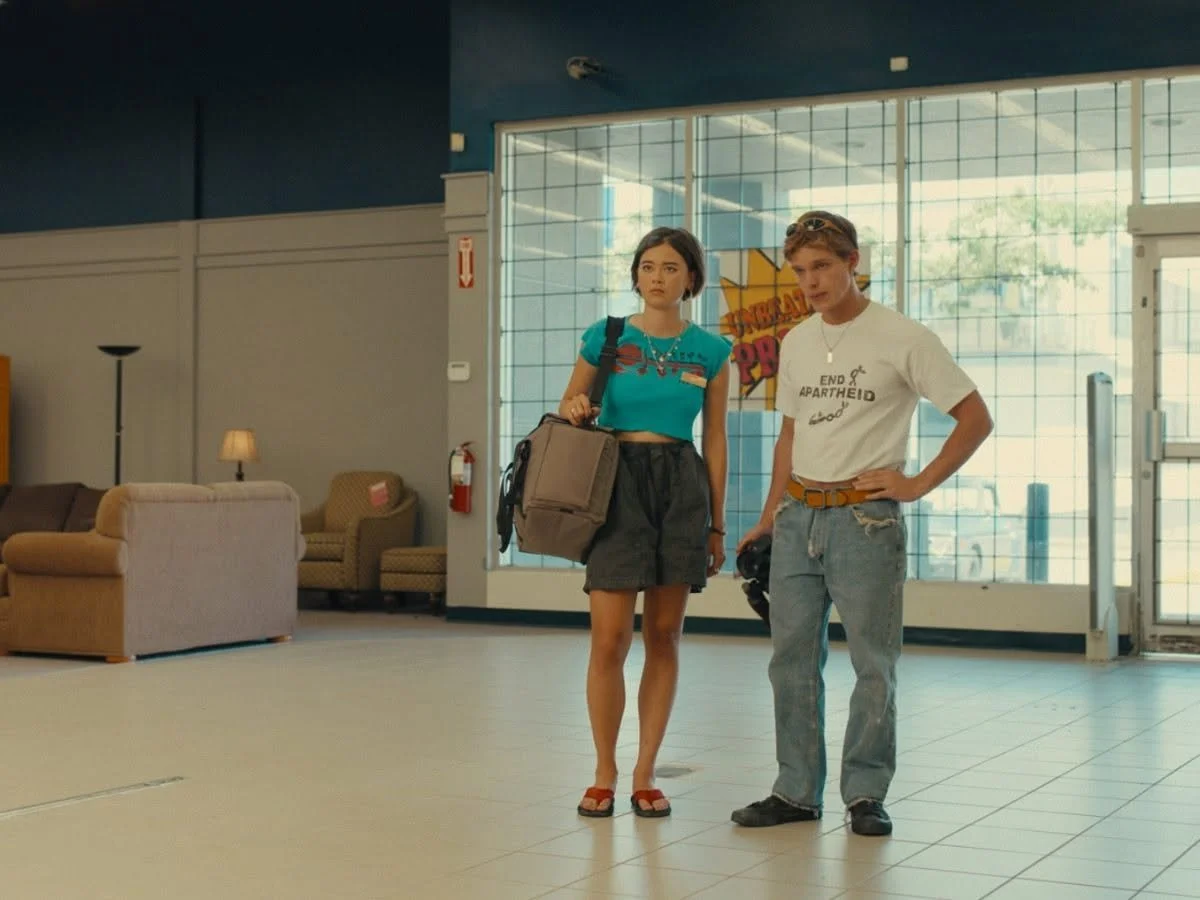
I left the cinema feeling that it somehow did both too much and too little, and I have spent some time reflecting on why. My primary issue is that while Parsons has perfected the spaces themselves, the characters never achieve the same level of development. There are compelling ideas here, but they remain at the margins of the narrative, never fully realised. It often feels as though the majority of creative energy was devoted to the setting, with the characters added as an afterthought. They function primarily as interlocutors to the architecture rather than as compelling individuals in their own right. The film centres on two main characters: Clark, a failed architect turned furniture store owner, and his therapist, Dr. Mary Kline, played by Chiwetel Ejiofor and Renate Reinsve. Of the two, Clark is the more compelling. Ejiofor delivers a strong performance as a recently divorced man struggling to confront his emotional failures. In the film's first half, Clark is both sympathetic and recognisable. However, when he is reintroduced after choosing to remain within the backrooms, the shift in his personality is dramatic. The film attempts to ground this transformation in the emotional fallout of his divorce, but the development feels underwritten. Simply put, Clark evolves from a depressed and angry divorcee (perhaps even verbally abusive towards his ex-wife), into a violent, sadistic, and ultimately murderous figure. The idea itself is not implausible, but the progression feels rushed. Had these darker tendencies been seeded more clearly during the earlier therapy sessions, the transformation would have carried greater weight. This is especially important given the later revelation that the entity haunting the Backrooms is effectively a monstrous version of Clark himself. Because the groundwork is insufficient, the two incarnations often feel like separate characters rather than extensions of the same person. My larger criticism, however, concerns Renate Reinsve's role as Dr. Mary Kline. Reinsve is an exceptional actress whose greatest strength lies in understatement. She excels at conveying complex emotions through subtle shifts in expression and gesture. In Backrooms, however, that restraint becomes a liability. Throughout much of the film, Mary appears to operate within an extremely narrow emotional register. Whether she is watching television alone at night or fleeing from terrifying monsters, her expression rarely changes beyond a faint look of concern. There is little sense of escalating fear, shock, or emotional reaction. At times, it feels as though she has wandered in from an entirely different film and been inserted into the narrative after the fact. The only notable deviation comes during the climactic chase sequence, where she briefly displays genuine fear; a moment so striking that it ultimately became the film's primary promotional image. The screenplay attempts to provide Mary with a compelling backstory, but it becomes another example of doing too little with too much. Like Clark's arc, the ideas are promising but ultimately underdeveloped. The childhood flashbacks are effective. Mary's mother, fearful of the outside world, keeps her daughter confined inside their home, covering windows and doors in a manner that echoes the enclosed, windowless spaces of the Backrooms themselves. Early in the film, mother and daughter press their hands into wet cement outside the house, one of which Mary later rescues from demolition. The film could have ended the storyline there. Instead, it layers Mary's childhood trauma together with a separate narrative about her desire to have a child of her own. On paper, both themes are compelling, but together they compete for attention. The result is a dilution of what might otherwise have been a powerful exploration of generational trauma.
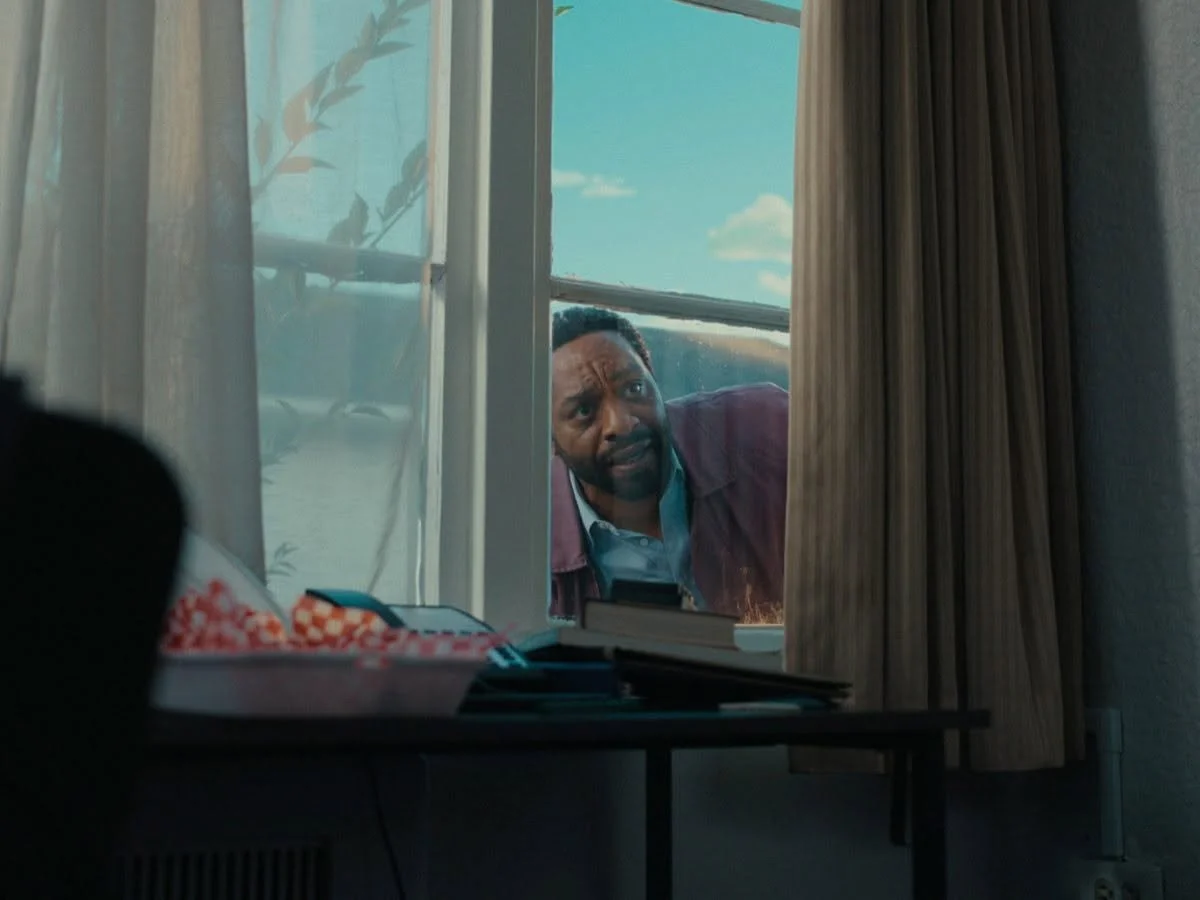
Significantly, Mary chooses to preserve the handprint of her younger self rather than that of her mother. Later, she uses this handprint to defeat the monster and escape the backrooms. This feels like a missed opportunity. Had she preserved her mother's handprint instead, the symbolism would have been considerably stronger. Her mother's attempts to imprison her stemmed from a desire to protect her, creating a relationship defined by both love and harm. If Mary later escaped by literally smashing that handprint against the monster's head, the gesture would function as a powerful reckoning with the psychological dimensions of her past. It would become a vivid act of liberation: breaking free, both literally and metaphorically, from the patterns that continue to shape her adulthood. The mother's handprint would also strengthen the film's broader thematic structure. Clark embraces his monstrous counterpart and refuses change, while Mary destroys the physical embodiment of her inherited trauma in order to move beyond it. Interestingly, some viewers familiar with the original YouTube series have criticised the absence of the iconic wire creature, which here is replaced by the monstrous Captain Clark. Yet one of the film's recurring themes is the neurological understanding of behavioural patterns, emphasised repeatedly through Mary's work as a therapist. Human beings are "wired" in particular ways. Significantly, when Clark finally embraces the monster, he tells it that they do not need to change because "it is just how we are wired." Captain Clark, then, can be read as the psychological manifestation of the wire monster itself; a reinterpretation rather than a replacement.
Backrooms comes tantalisingly close to greatness. Where it exceeds expectations in atmosphere, visual design, and tension, it struggles to deliver a coherent narrative and sufficiently developed characters. As a result, the film is unable to sustain its momentum across its entire runtime. The final sequences, particularly Mary's interrogation by the scientist, feel largely redundant. Just as the film appears ready to conclude, it introduces the outline of an entirely new science-fiction narrative. By the final ten minutes, I was not the only person in the theatre impatiently waiting for the lights to come back on. Yet Backrooms undeniably leaves an impression. It offers a distinctive approach to horror, generating tension without relying on excessive gore or cheap jump scares. It functions well as a horror film and even better as a psychological thriller. The visuals alone make it worth experiencing, almost compensating for the many moments of weak writing